
Skip to content
Skip to the conference
Beyond RecoveryJournal of Tourism and Hospitality Education · 2026
Ended
Skip to Conference content

Beyond Recovery

Sustainable Tourism, Hospitality and Inclusive Development

Lessons from Nepal's Recent Floods

18 to 20 November 2026

An international online conference on Zoom. Free, in English, and hosted by the Asian Institute of Technology and Management, Nepal, with the Journal of Tourism and Hospitality Education.

See the three days
Setting for Beyond Recovery

How can tourism recovery strengthen local livelihoods and reduce exposure to future disasters?

Nepal's recent floods bring the relationship between tourism, development and disaster risk into sharp focus. Decisions about infrastructure, land use, business investment and environmental protection shape both the opportunities tourism creates and the risks communities face.

This conference brings international scholars into dialogue with Nepali academics and tourism practitioners. Across three days, participants will examine how recovery can support decent livelihoods, responsible hospitality businesses, healthier ecosystems and greater community influence over development.

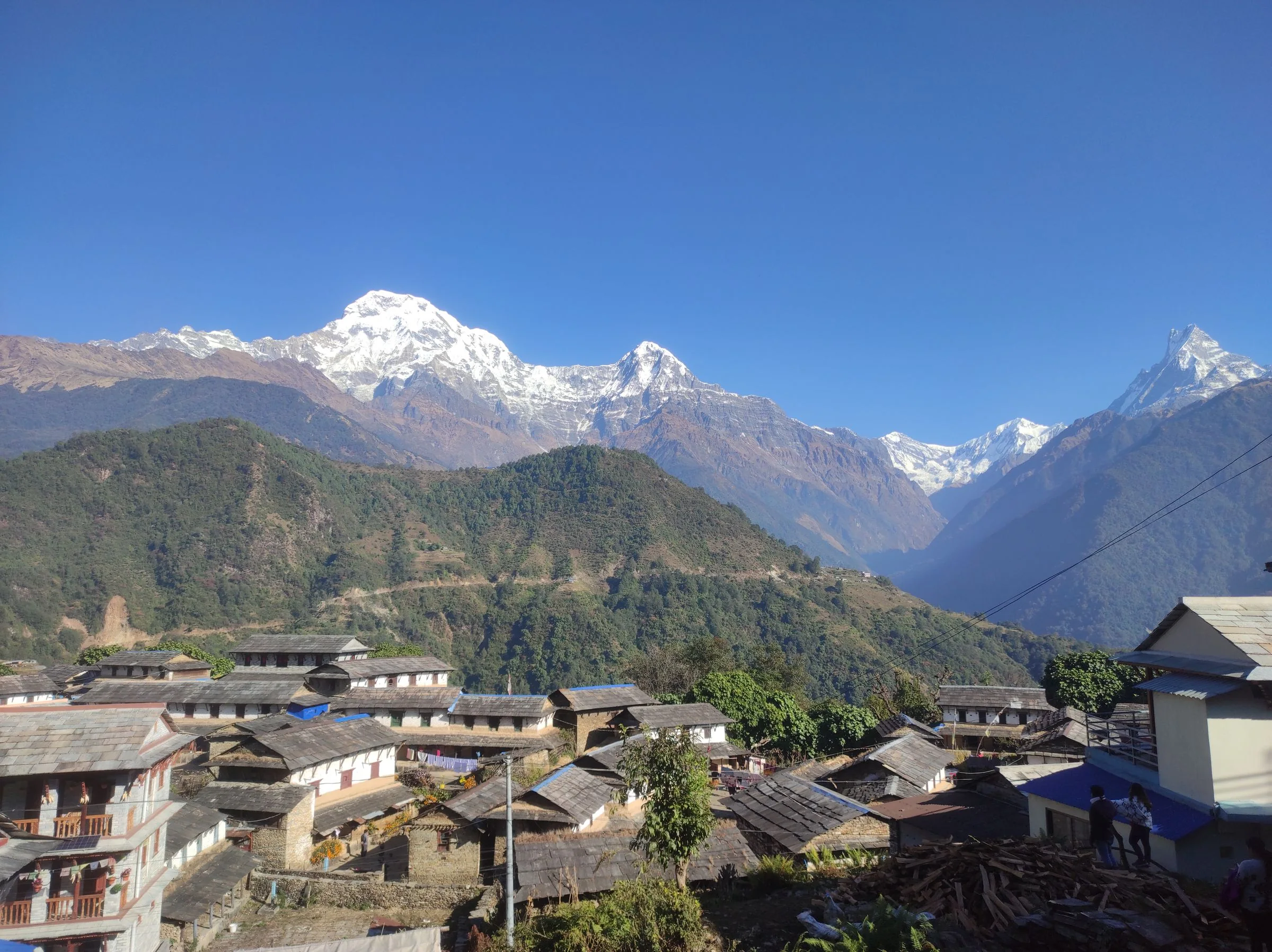
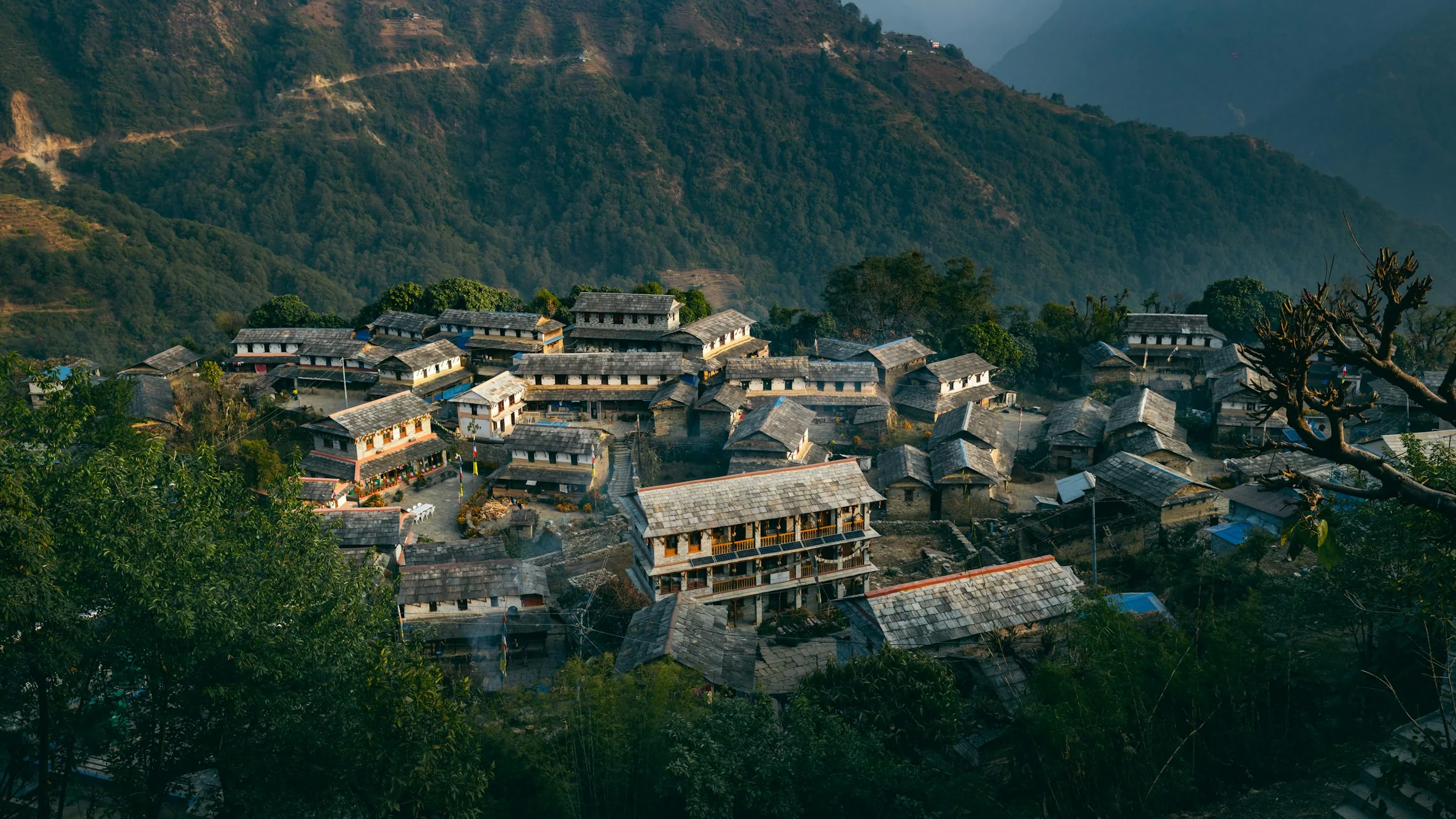
Slate-roofed houses clustered on a hillside in Ghandruk, Nepal.
Ghandruk, Nepal. Photo: Santosh 313 / Unsplash.

Six themes

Six connected themes guide the keynote addresses and the questions that follow them. Nepal is the focal case, with international perspectives on destinations facing environmental and development pressures.

The conference connects academic research, industry experience and professional learning. Each day closes with takeaways on practical priorities for communities, businesses, educators and policymakers.

  1. Climate risk and destination resilience

    Flood and landslide exposure; preparedness and early warning; local knowledge; visitor and worker safety; recovery planning and risk communication.

  2. Development choices and environmental limits

    Land use planning; roads, accommodation and river corridors; the relationship between hydropower and tourism; ecosystem protection; public investment and recovery governance.

  3. Community livelihoods and social inclusion

    Homestays and local ownership; women's enterprise; youth employment; marginalised and Indigenous communities; benefit sharing; migration and livelihood diversification.

  4. Hospitality businesses and responsible recovery

    Small business continuity; local supply chains; workforce wellbeing; responsible procurement; rebuilding visitor trust; financing and insuring recovery.

  5. Mountain, river and nature-based tourism

    Trekking and adventure tourism; river conservation; protected areas; changing visitor pressures; guiding livelihoods; environmental stewardship and safe operations.

  6. Education, skills and knowledge into action

    Sustainability and disaster risk curricula; experiential learning; partnerships between communities and colleges; participatory research; teaching cases; professional skills and policy uptake.

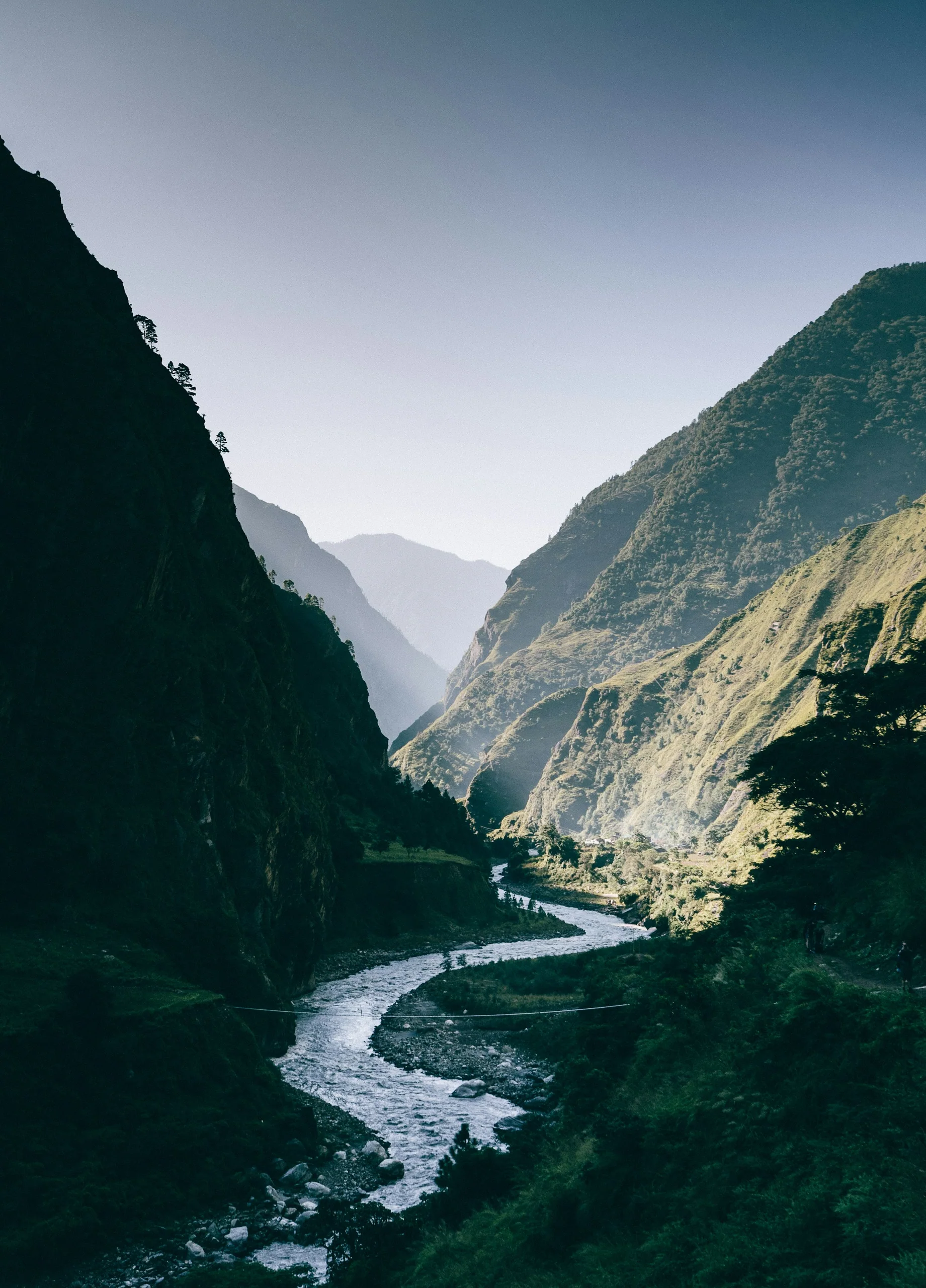
A winding river flows between steep, forested mountain slopes in Nepal.
River valley, Nepal. Photo: Manuel Meurisse / Unsplash.
Hands shape a clay vessel on a pottery wheel in Bhaktapur, Nepal.
Pottery making, Bhaktapur. Photo: Arun Hamal / Pexels.

Three days, one session each

Each day runs as one three-hour Zoom session with its own theme and start time.

18Wednesday
November 2026

09:00 to 12:00 UK time

Online via Zoom

Day 1 · Risk, resilience and development choices

Establish the evidence and the development questions: how can Nepal's tourism destinations recover without reproducing the conditions that made them vulnerable?

Times in UK time

  1. , 10 minutes

    Welcome address

    Dr Basant Joshi · Asian Institute of Technology and Management (AITM)

  2. Part 1 · 09:10 to 10:35Chaired by Dr Wendy Sealy, University of East London

  3. , 30 minutes

    Opening keynote

    Tourism and a Changing Climate: Finding a Safe Operating Space for Tourism

    Professor C. Michael Hall · Massey University

  4. , 30 minutes

    Keynote, recorded talk

    Increasing Local Economic Benefit and Reducing Dependency

    Harold Goodwin · Responsible Tourism Partnership

  5. , 25 minutes

    Questions for Professor C. Michael Hall and Professor Harold Goodwin

    The chair puts the audience's questions to the speakers.

  6. , 15 minutes

    Break · 15 minutes

  7. Part 2 · 10:50 to 11:35Chaired by Dr Nick Naumov, Higher Colleges of Technology

  8. , 30 minutes

    Keynote

    Cascading Hazards, Sustainable Livelihoods and Tourism Recovery

    Dr Carl Cater · Swansea University

  9. , 15 minutes

    Questions for Dr Carl Cater

    The chair puts the audience's questions to the speakers.

  10. , 25 minutes

    Takeaways and a preview of Day 2

19Thursday
November 2026

09:00 to 12:00 UK time

Online via Zoom

Day 2 · Community livelihoods and business recovery

Connect destination planning with everyday decisions by tourism businesses, river operators and local suppliers. Explore practical routes to recovery that distribute benefits locally.

Times in UK time

  1. , 10 minutes

    Welcome and recap of Day 1

  2. Part 1 · 09:10 to 10:35Chaired by Dr Smrittee Panta

  3. , 30 minutes

    Keynote

    Whose Knowledge Counts? Community Participation in Mountain Tourism

    Associate Professor Yana Wengel · Hainan University – Arizona State University International Tourism College

  4. , 30 minutes

    Keynote

    Beyond Recovery: Rebuilding livelihoods, strengthening communities through tourism

    Aayusha Prasain · Community Homestay Network

  5. , 25 minutes

    Questions for Associate Professor Yana Wengel and Aayusha Prasain

    The chair puts the audience's questions to the speakers.

  6. , 15 minutes

    Break · 15 minutes

  7. Part 2 · 10:50 to 11:35Chaired by Dr Basant Joshi, Asian Institute of Technology and Management (AITM)

  8. , 30 minutes

    Keynote

    When the Story Becomes Bigger Than the Crisis: Practical Crisis Communication for Trust, Livelihoods and Tourism Recovery

    Raj Gyawali · socialtours

  9. , 15 minutes

    Questions for Raj Gyawali

    The chair puts the audience's questions to the speakers.

  10. , 25 minutes

    Takeaways and a preview of Day 3

20Friday
November 2026

09:00 to 12:00 UK time

Online via Zoom

Day 3 · Learning, inclusion and tourism futures

Translate the conference's insights into professional learning, community enterprise and a research agenda. Close by identifying what educators, businesses and policymakers can do next.

Times in UK time

  1. , 10 minutes

    Welcome and recap of Day 2

  2. Part 1 · 09:10 to 10:35Chaired by Dr Faye Taylor, Cambridge Advance Online

  3. , 30 minutes

    Opening keynote

    Wellness Tourism: Discovering Body, Mind, and Spirit through the Lens of Southeast Asia

    Associate Professor Ann Suwaree Ashton · National Institute of Development Administration (NIDA)

  4. , 30 minutes

    Keynote

    Beyond Recovery: Reimagining Tourism Resilience through Innovation, Community Empowerment and Inclusive Development

    Dr Portia Pearl Siyanda Sifolo · Tshwane University of Technology

  5. , 25 minutes

    Questions for Associate Professor Ann Suwaree Ashton and Dr Portia Sifolo

    The chair puts the audience's questions to the speakers.

  6. , 15 minutes

    Break · 15 minutesNot recorded

  7. Part 2 · 10:50 to 11:35Chaired by Dr Portia Pearl Siyanda Sifolo, Tshwane University of Technology

  8. , 30 minutes

    Keynote, not recorded

    Tourism-influenced Social Capital in Post-Disaster Recovery: Example from Nepal's Langtang National Park

    Professor Sanjay K. Nepal · University of Waterloo

  9. , 15 minutes

    Questions for Professor Sanjay K. Nepal

    The chair puts the audience's questions to the speakers.

  10. , 25 minutes

    Closing reflections and next steps

    Professor Eugenia Wickens

View the full programme

Keynote speakers

Ann Suwaree Ashton

Associate Professor · National Institute of Development Administration (NIDA)

Meet the speakers
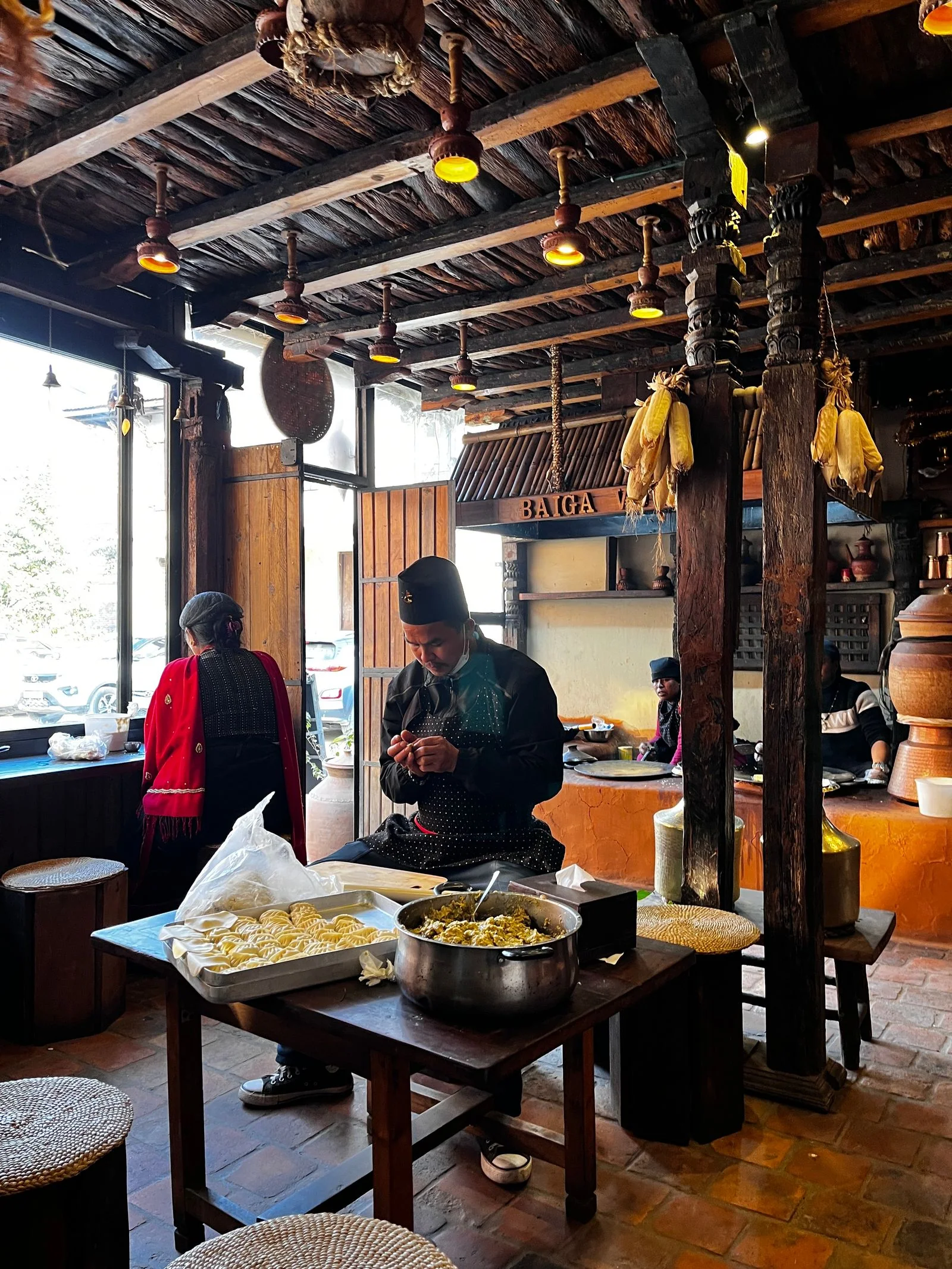
A cook prepares dumplings inside a restaurant in Bhaktapur, Nepal.
Food preparation, Bhaktapur. Photo: Kuldeep who / Pexels.

Taking part

  1. Register once

    One registration covers all three days.

  2. Join each day from this page

    The Join button appears here 10 minutes before each session. The Zoom link stays private to registered participants.

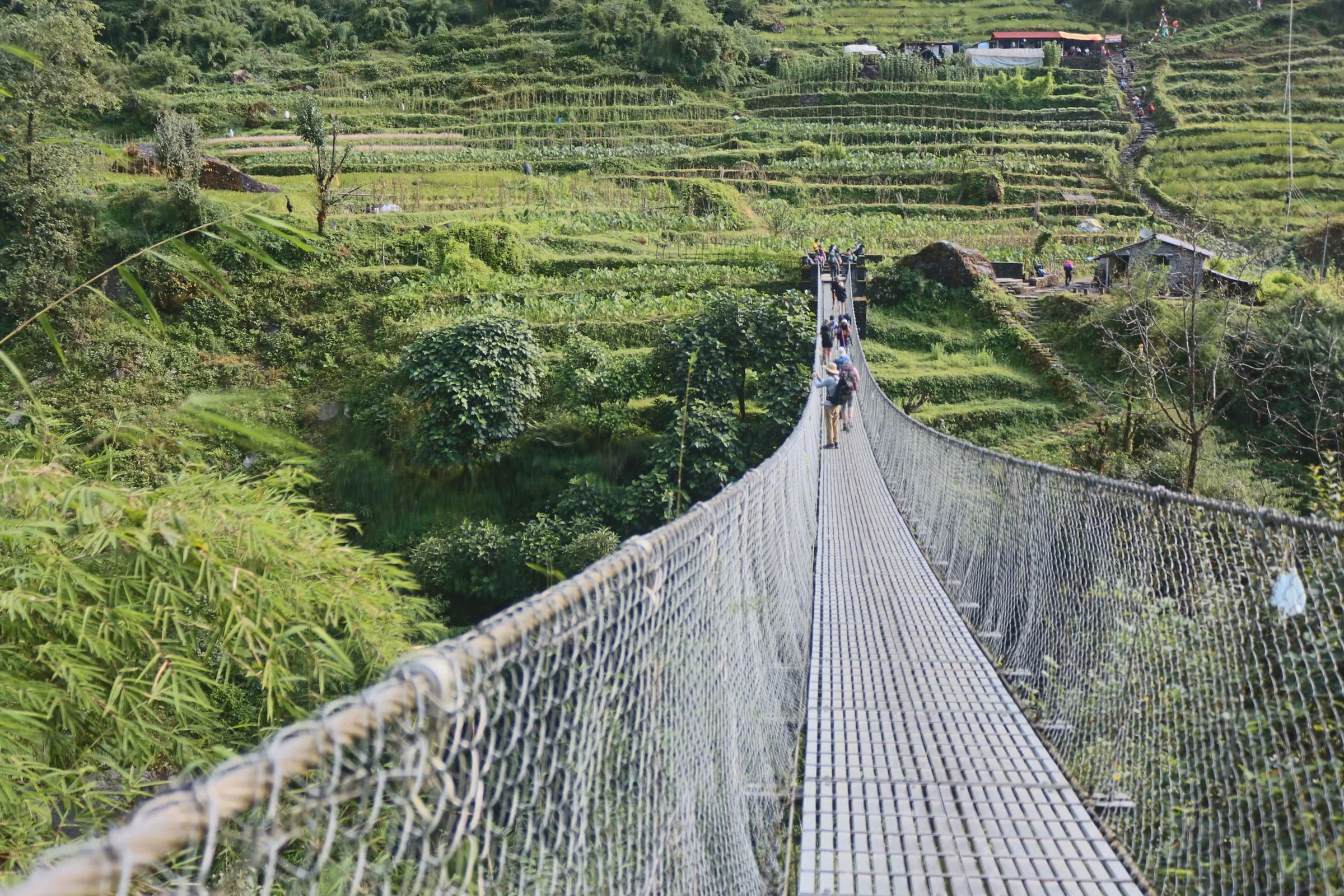
Walkers cross a suspension bridge towards green terraced fields in Nepal.
Suspension bridge, Nepal. Photo: Sagar Neupane / Pexels.

Who should attend

Researchers, tourism and hospitality educators, postgraduate and undergraduate students, destination managers, hotel and homestay operators, guides, community organisations, development practitioners and policymakers.

How each day works

Each day runs as one three-hour Zoom session: a welcome, three keynote addresses, questions from the audience after the keynotes, a 15-minute break and takeaways. Registration is free and covers all three days. Join each day from this page. The Join button appears ten minutes before the start, and the Zoom link stays private to registered participants.

Language

Sessions are in English.

Accessibility

The sessions are recorded so that registered participants can watch them later. The recording of Day 3 ends at the 10:35 break. If you need support to take part, please write to editor@journal.aitm.edu.np.

Contact the organisers

Registration is free and covers all three days.

A waitlist opens automatically when the room is full.

126 of 600 places left · 33 on the waitlist

Save